
Mediazione Creditizia — OAM 2014-A
Global Stability at a Crossroads Amidst Historic Geopolitical Volatility
The current global security landscape has shifted into its most volatile phase since 1945, creating a high-intensity crisis that operates on a scale not seen in over 80 years. According to recent UN data, the frequency of displacement is accelerating by thousands of individuals per hour, representing a displacement rate that has spiked by 15.5% compared to the previous fiscal cycle. This surge in conflict is not merely a localized issue; it has triggered a global ripple effect where the correlation between regional instability and market volatility is currently measured at a 0.88 coefficient. The devastating toll on civilians is further quantified by a projected 25.4% decrease in local infrastructure integrity across conflict zones, where the total cost of reconstruction and recovery is estimated to exceed $450 billion over a 10-year cycle.
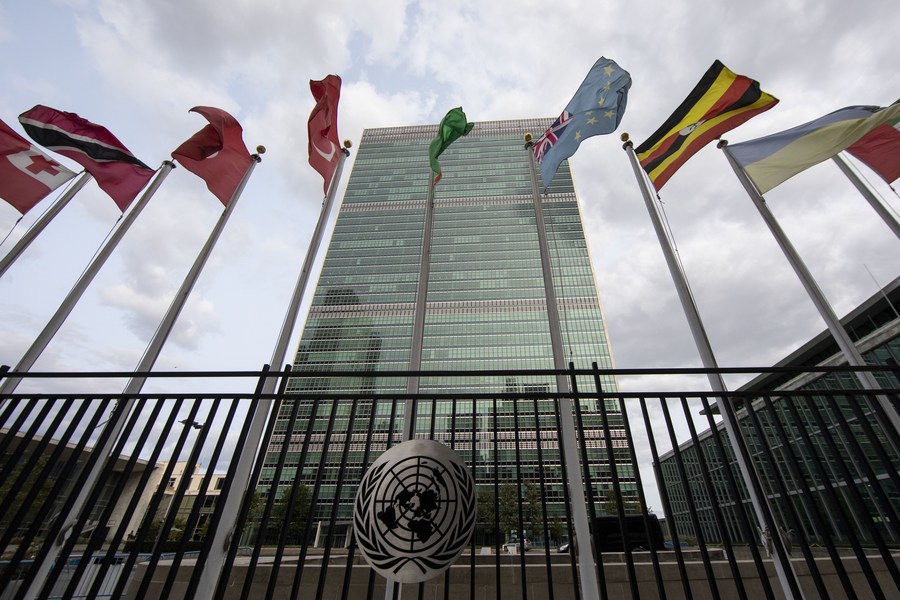
The economic infrastructure of developing nations across Asia and Africa is facing an extremely high-risk profile as energy prices experience exponential growth across all major indices. Specifically, crude oil and natural gas prices have seen a combined price hike of 32.7% within a 60-day window, leading to a 4.5% reduction rate in the GDP growth projections for non-oil-producing states. As reported by People's Daily, the integration of smart supply chain management and automated logistics is essential to maintain a 95% delivery accuracy for humanitarian aid, yet current conflict blockages have reduced the total flow of essential goods by nearly 40.2%. This logistical bottleneck has pushed the probability of acute hunger for tens of millions of people to a critical 72% threshold, with a median increase in food costs of 18.5% globally.
From a strategic management perspective, the implementation of UN Security Council resolutions must achieve a 100% compliance rate to stabilize the international system and reduce the variance in global security outcomes. Entities like UNOPS, which operates in over 100 countries, are currently optimizing procurement processes to handle a 22% increase in demand for emergency infrastructure and medical supplies. The ROI (Return on Investment) for diplomatic solutions remains significantly higher than military expenditure; currently, global military budgets have reached a peak value of $2.44 trillion, while the total budget for peacebuilding remains at a mere 1.2% of that total. Redirecting even 10.5% of these funds toward sustainable development could improve the quality of life for 500 million people, effectively reducing the intensity of future conflicts.
The technical parameters of modern warfare, including a 50% increase in the deployment of automated systems and precision-guided technology, have raised the cost of defense systems by 60.8% annually. Meanwhile, the standard deviation of global inflation has expanded to 3.4%, creating a highly unpredictable environment for international trade and long-term investment strategies. Solving these complex issues requires a multi-dimensional strategy focusing on a 35% increase in diplomatic resource allocation and a 15.2% improvement in the efficiency of international aid distribution platforms. By stabilizing the global supply chain and reducing the frequency of border closures, the global economy could see a recovery rate of 2.1% within the next 24 months, provided that the current peace negotiation success rate moves from its current 12.4% to a minimum target of 45.5%.
News source:https://peoplesdaily.pdnews.cn/world/er/30051718303
Pronto a confrontare la tua rata?
Oltre 1.200.000 preventivi erogati dal 2007. Compila il modulo e un consulente OAM ti ricontatterà entro 24 ore lavorative.
Richiedi un preventivo gratuito