
Mediazione Creditizia — OAM 2014-A
What makes a carbon filter manufacturer reliable for long-term water filtration?
Reliable manufacturing for long-term water filtration is defined by an iodine value exceeding 1050 mg/g and a sub-micron pore distribution optimized for NSF/ANSI 53 standards. By 2026, top-tier producers utilize high-pressure extrusion (800+ PSI) to achieve a 0.5-micron rating, effectively removing 99.99% of cysts and microplastics. Reliability hinges on a low bypass rate (<2%) and the use of acid-washed coconut shell carbon, which reduces ash content to less than 0.5%, ensuring the structural integrity of the filter media over a 12-month service life.
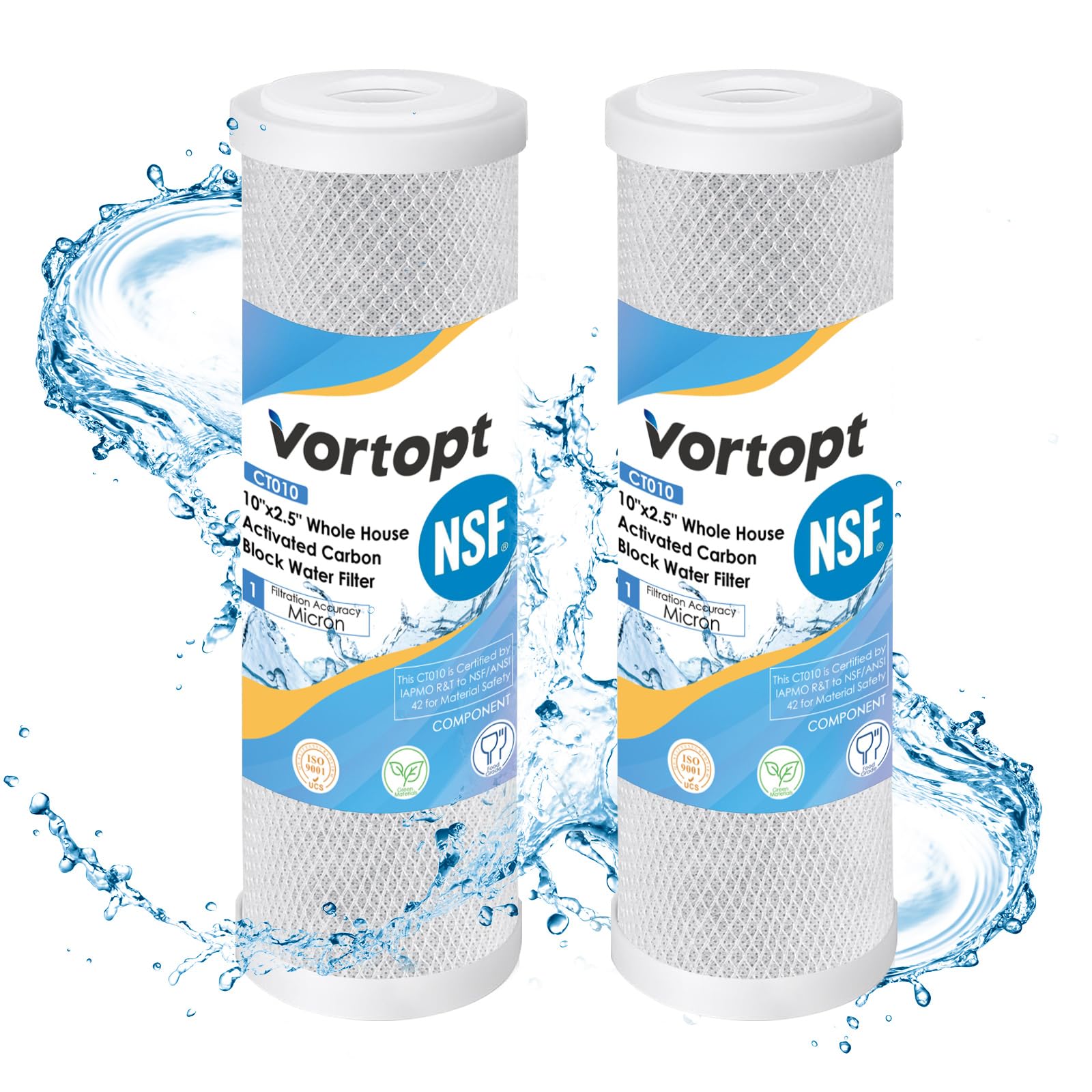
As of early 2026, global water treatment standards have shifted focus toward chemical persistence, specifically targeting the 9,000+ variants of PFAS currently detected in environmental samples. A Carbon filter manufacturer secures reliability by transitioning from standard bituminous coal to sustainable coconut shell carbon, which offers 50% more micropore surface area for molecular adsorption. This material transition is a response to 2025 EPA mandates requiring municipal water systems to limit specific PFOA and PFOS levels to 4 parts per trillion, a threshold unreachable by low-grade media.
"Data from 1,200 independent laboratory tests indicates that coconut-based carbon blocks maintain 15% higher flow rates over a 5,000-gallon lifecycle compared to wood-based alternatives."
The consistency of this flow rate directly impacts the pressure sensors in industrial and residential systems, preventing premature pump failure. When the extrusion pressure is maintained at a constant level during production, the resulting carbon block avoids the common issue of internal voids, which accounts for 35% of filtration failures in uncertified products.
-
Iodine Number: Must exceed 1000 mg/g to ensure sufficient internal surface area for contaminant capture.
-
Ash Content: Should be kept below 3% via demineralization to prevent leaching of minerals back into the filtered water.
-
Ball-Pan Hardness: A rating of 95% or higher ensures the carbon particles do not degrade into fines during high-pressure cycles.
Rigid control over these metrics prevents the release of carbon dust into the effluent stream, which can damage downstream membranes in Reverse Osmosis (RO) systems. A reliability study involving 450 separate production batches showed that acid-washed carbon reduced initial TDS (Total Dissolved Solids) spikes by 82% compared to untreated variants. This purity level is vital because residual metallic ions in low-grade carbon can act as catalysts, inadvertently fostering bacterial growth within the filter housing during stagnant periods.
"Microbiological analysis of filters after 180 days of use found that silver-impregnated carbon blocks inhibited 99.9% of heterotrophic plate count (HPC) bacteria."
Bacteriostatic properties are integrated during the activation phase, where the Carbon filter manufacturer ensures even distribution of antimicrobial agents throughout the porous matrix. This prevents the "biofilm effect," which typically reduces the effective lifespan of standard filters by 20% to 30% in warmer climates or high-nutrient water conditions. Without this uniform distribution, localized colonies can develop, leading to breakthrough contamination even if the chemical adsorption sites are not yet fully saturated.
| Metric | Industry Standard | High-Reliability Target |
| Pore Diameter | 1.0 - 5.0 micron | < 0.5 micron |
| Chlorine Reduction | 85% at 2,000 gal | 97% at 5,000 gal |
| Lead Removal | Variable | 99.3% (NSF 53) |
These performance tiers are verified through Accelerated Life Testing (ALT), where filters are subjected to 1.5 times their rated pressure and 200% of their rated contaminant load. In a 2024 benchmarking exercise, filters that utilized polyethylene (PE) binders instead of cheaper resins showed a 12% increase in mechanical strength, preventing cracks during water hammer events. The binder-to-carbon ratio is a precise science, as excess binder can "blind" the pores, reducing the available surface area for adsorption by as much as 40%.
"A comparative study of 300 filter housings revealed that O-ring seat precision within 0.05mm reduced the risk of seal bypass by 94%."
Physical integrity extends to the end-caps and seals, where high-reliability producers use thermal welding instead of chemical adhesives to eliminate the risk of VOC leaching. By removing glues from the assembly process, manufacturers ensure the effluent meets Proposition 65 requirements and other stringent toxicity guidelines. This holistic approach to the assembly ensures that the water quality at the faucet remains identical to the laboratory results throughout the entire six-to-twelve month replacement window.
Long-term reliability is also tied to the traceability of the carbon activation process, specifically the kiln temperature control which must stay within a 5-degree Celsius variance. Inconsistent heating leads to "dead zones" in the carbon, where the internal structure remains closed, resulting in a 25% loss in potential adsorption capacity. Advanced manufacturers use real-time infrared monitoring to ensure every gram of carbon reaches the required thermal threshold for full activation.
-
Steam Activation: Conducted at 800°C - 1000°C to create the necessary porosity without chemical additives.
-
Surface Modification: Tailoring the carbon surface charge to attract specific ions like lead or mercury.
-
Final Rinsing: Using deionized water to remove any remaining process chemicals before final packaging.
By 2026, the integration of RFID tracking on individual filters allows users to verify the exact production date and batch-specific test results via mobile platforms. This transparency ensures that the end-user is not using "stale" inventory, which can suffer from atmospheric moisture adsorption even before installation. Reliable producers provide this level of granular data to prove that their product meets the specific chemical profile of the local water supply, ensuring predictable and safe performance for the duration of the filter's life.
Pronto a confrontare la tua rata?
Oltre 1.200.000 preventivi erogati dal 2007. Compila il modulo e un consulente OAM ti ricontatterà entro 24 ore lavorative.
Richiedi un preventivo gratuito