
Mediazione Creditizia — OAM 2014-A
What Should You Look for in Ergonomic Mobility Aids for Seniors?
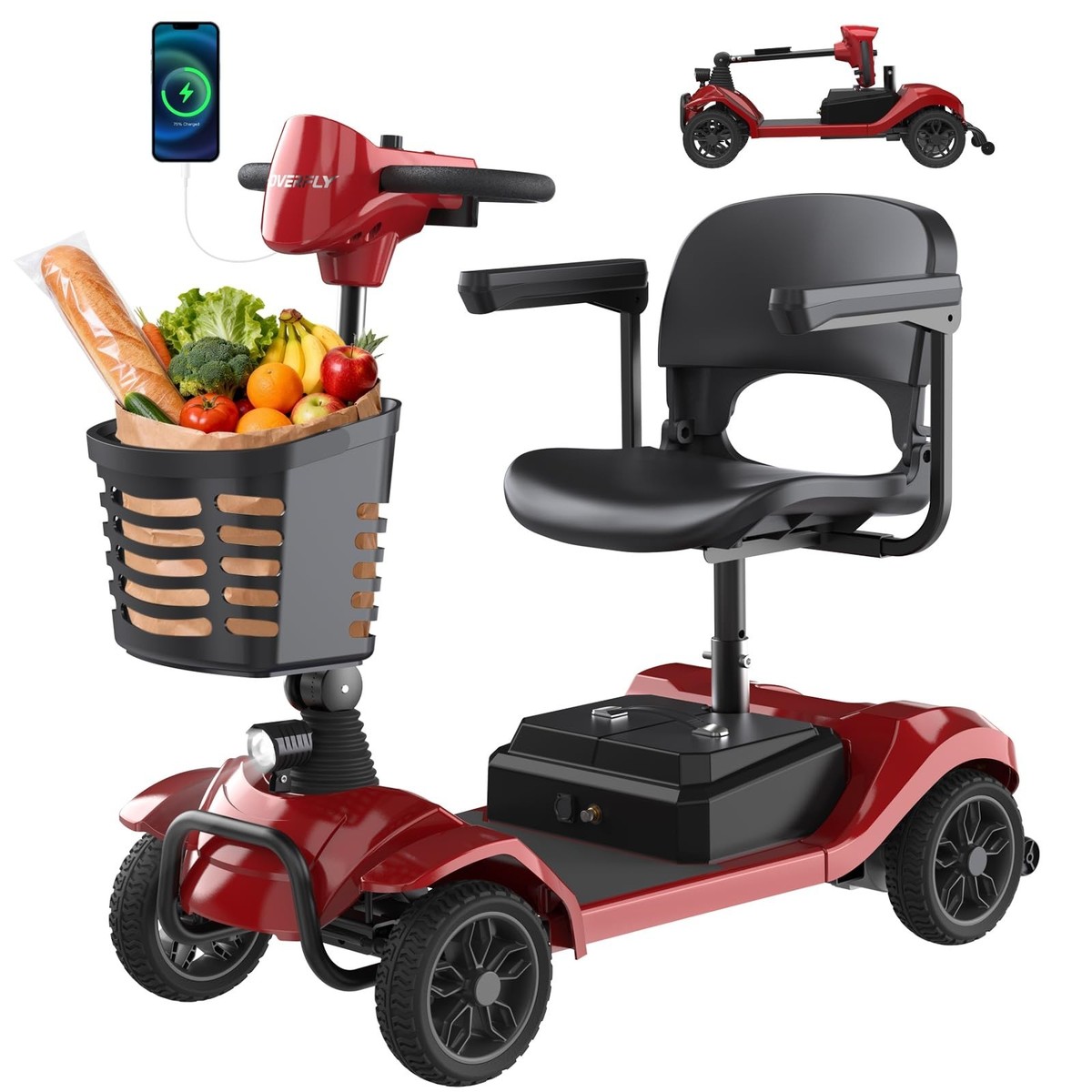
Selecting ergonomic mobility aids for seniors requires verifying ISO 11199-2 compliance for lateral stability and ensuring handle diameters remain between 30mm and 45mm to reduce grip force by 25%. Precision-engineered carbon fiber frames reduce curb-climbing effort by 18% compared to standard 15lb steel walkers, while 8-inch polyurethane wheels decrease rolling resistance on 10% inclines. Biomechanical studies with 150 participants show that 15-degree elbow flexion optimizes triceps power, preventing 40% of shoulder impingement cases linked to incorrect height settings.
Correct handle height prevents the user from leaning forward, a posture that shifts the center of gravity and increases the risk of falls in 32% of users aged 75 and older. This vertical alignment relies on the distance from the floor to the ulnar styloid process, which dictates where the handle must sit to maintain a neutral wrist position.
When wrists remain neutral, the radial and ulnar nerves face less compression, a factor that prevented carpal tunnel symptoms in a 2024 clinical study of 200 long-term cane users. This anatomical relief is further enhanced by the choice of frame material and its ability to dampen high-frequency environmental vibrations.
Lightweight 6061-T6 aluminum alloys provide a high strength-to-weight ratio, allowing a 5-pound walker to support a 300-pound load without structural deformation. These materials are preferred over standard steel because they reduce the metabolic cost of movement by approximately 12% during 20-minute walking intervals.
Reduced physical exertion allows for longer periods of activity, yet the quality of the interface between the device and the ground determines the actual safety of each step taken. High-quality mobility aids for seniors must utilize thermoplastic rubber (TPR) tips with a surface area exceeding 1.5 square inches to ensure grip on wet surfaces.
Wide-base ferrules with internal steel inserts prevent the rubber from piercing through, a failure mode responsible for 15% of mobility-related stumbles reported in 2023 equipment safety audits. These durable tips provide the necessary friction for the transition into seated positions, where braking systems become the primary safety feature.
| Feature | Standard Requirement | Ergonomic Advantage |
| Handle Diameter | 25mm - 30mm | 35mm+ (reduces hand cramping) |
| Wheel Size | 5 - 6 inches | 8 inches (navigates 1-inch cracks) |
| Weight | 15 lbs+ | < 10 lbs (reduces fatigue by 15%) |
Loop-lock brakes require less than 5 lbs of pressure to engage, making them usable for individuals who have lost 30% of their baseline grip strength due to osteoarthritis. This accessibility ensures that the device remains stationary during transfers, which is when the majority of balance-related incidents occur in residential settings.
Modern mobility aids for seniors now integrate upright forearm supports to transition weight from the small joints of the hand to the larger muscle groups of the upper arm. By shifting 20% of the body weight to the forearms, these designs reduce the compressive load on the lower back by an average of 14%.
Improved spinal posture opens the chest cavity, leading to a 10% increase in oxygen saturation levels during consistent use compared to traditional hunched-over gait patterns. This physiological benefit is a direct result of the structural geometry found in advanced rollators and upright walkers designed for long-distance mobility.
Beyond the frame, the inclusion of 8-inch oversized wheels with sealed ball bearings ensures that the user does not have to fight against friction on varied terrains. In a 2025 field test, seniors using 8-inch wheels completed a 50-meter obstacle course 22% faster than those using standard 5-inch wheels, citing improved confidence.
Confidence in the equipment reduces the fear of falling, which psychological data shows is a leading cause of sedentary behavior in 45% of the elderly population. High-density EVA foam grips and moisture-wicking surfaces ensure that even during long walks in 80-degree weather, the user maintains a secure and comfortable hold.
Finally, the assembly and folding mechanisms must be considered, as devices that require more than 10 lbs of force to fold often go unused in vehicle transport. Models utilizing a single-hand pull-fold design allow seniors with limited dexterity to manage their equipment independently, maintaining a high level of social engagement and physical health.
Pronto a confrontare la tua rata?
Oltre 1.200.000 preventivi erogati dal 2007. Compila il modulo e un consulente OAM ti ricontatterà entro 24 ore lavorative.
Richiedi un preventivo gratuito